Tag Archives: Settlement Industrial Zones

“They destroyed our lives and then gave a few people a job. It is nothing”: Some unanswered questions for SodaStream

As we have previously reported Corporate Watch was recently denied a requested visit to the SodaStream factory in the illegal West Bank settlement of Mishor Adumim.

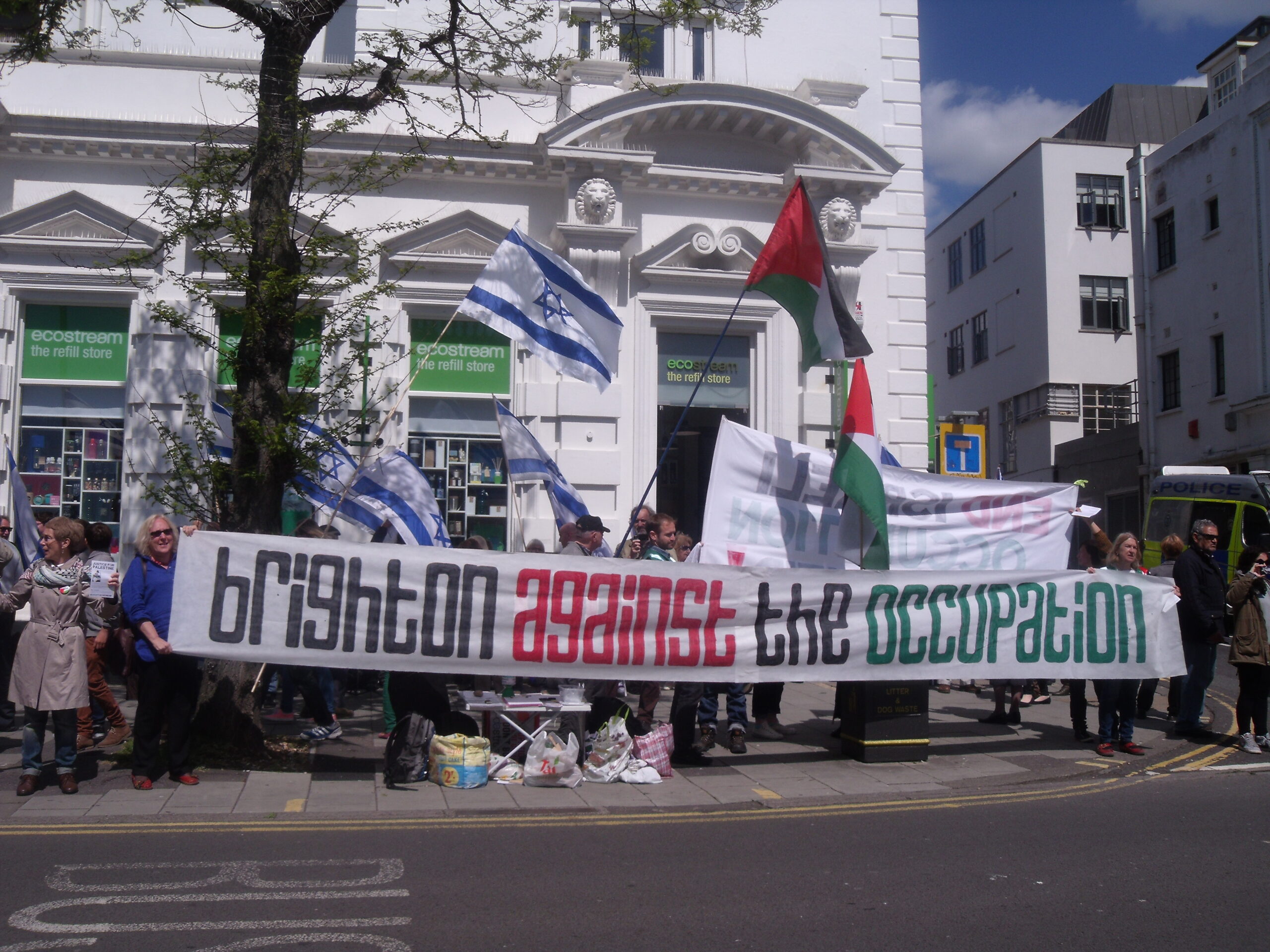
Despite the company’s insistence that anyone who visits the premises will find it to be a force for good in the area, it was not willing to let critics challenge this assertion for themselves. In a move that seems to go against its own self proclaimed eco-friendliness  SodaStream recently paid the expenses of local Brighton journalist John Keenan when he flew over from the UK to see the factory, yet they would not let researchers already in the West Bank in. Brighton is the location of EcoStream, SodaStream’s first own brand shop in the UK, and it has been met by weekly boycott demonstrations since its opening in the middle of 2012. As part of its PR strategy, SodaStream has also invited the Brighton MP Mike Weatherley to the factory. Weatherley had already previously issued strong worded statements against the protests and in support of SodaStream.

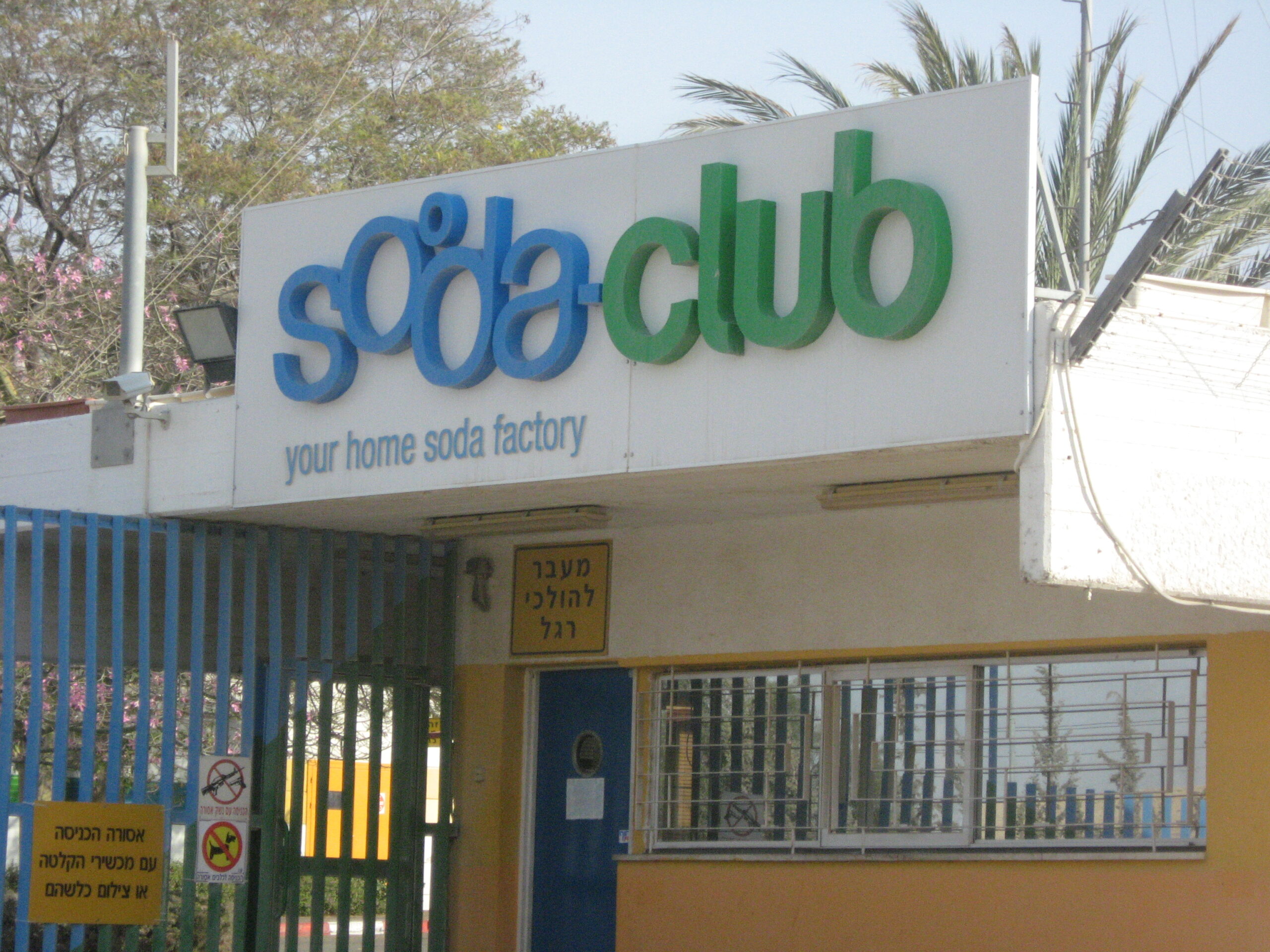
Soda Club 10

Entrance to the SodaStream factory in the illegal settlement Mishor Adumim.

Continue reading

Settlement expansion in the Mishor Adumim industrial zone

IMG_2127

Aerial view of Mishor Adumim

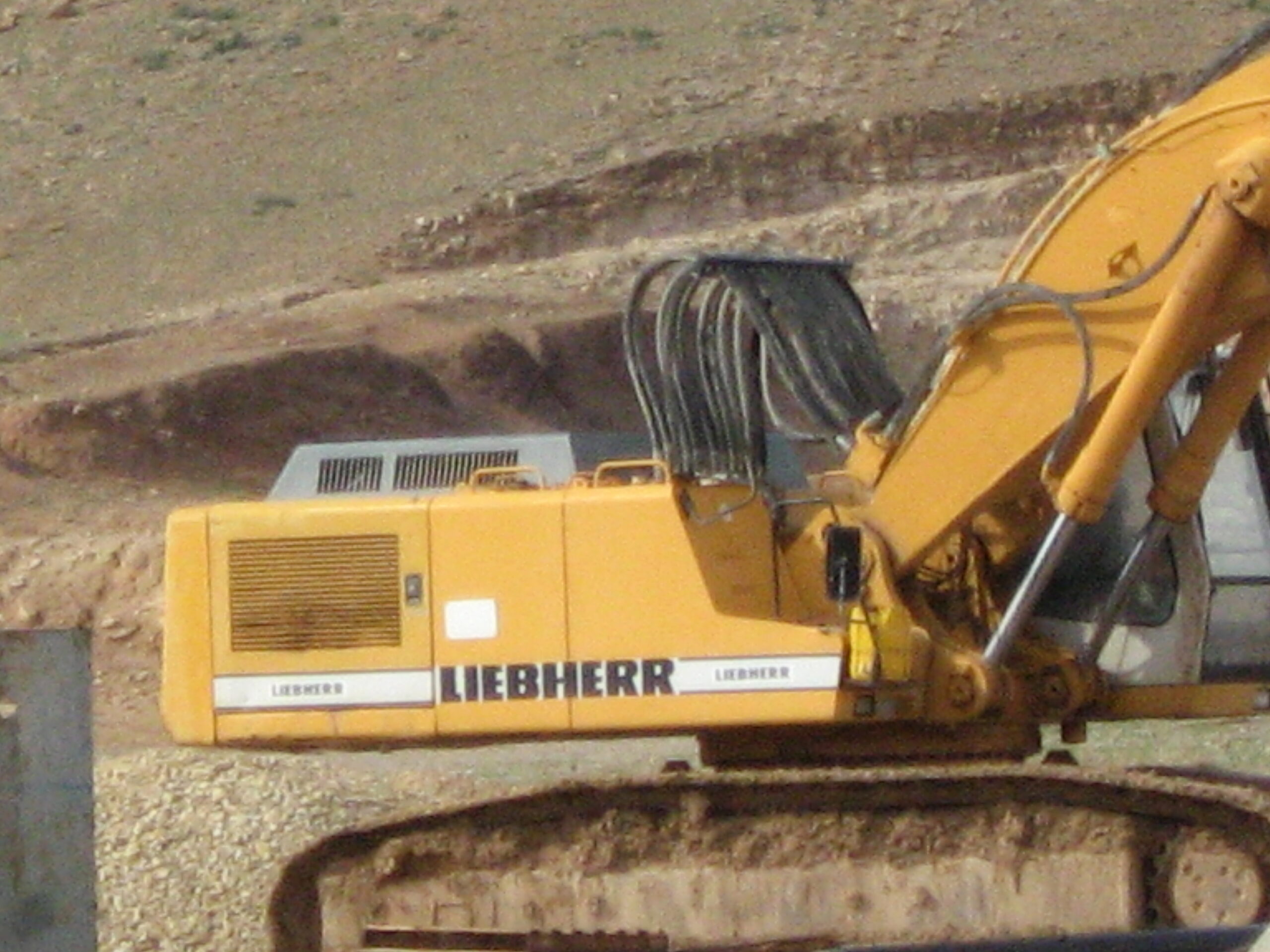
During the last four years Corporate Watch have made numerous visits to the settlement industrial zone of Mishor Adumim with the aim of documenting the companies working there.  We have also been highlighting the impact the expansion of the illegal settlement of Ma’ale Adumim is having on the Palestinian communities living in the area and tried to contextualise the information to inform international BDS action. One of the biggest companies trading from Mishor Adumim is the Israeli carbonated drinks manufacturers SodaStream. The company has met with pressure from the international BDS movement for a number of years as a result of their occupation profiteering. Continue reading

Open Letter to B&Q: Stocking Keter products supports the occupation

hebron-etc-426Since April 2012 Corporate Watch, and campaigners from the Brighton and Hove Palestine Solidarity Campaign, have been in correspondence with B&Q over its sale of products manufactured by Keter Plastics, an Israeli company with a global reach which has a factory in the illegal Barkan settlement industrial zone in the occupied West Bank. Continue reading

Israeli Apartheid profiteer Sodastream plans new store in Brighton

Israeli company Soda Club, which owns the Sodastream brandname, is reportedly planning to open a store in Brighton. Continue reading

Dear Corporation: B&Q and illegal Israeli settlements


Corporate Watch recently wrote to B&Q concerning the supply of goods manufactured by companies that work out of illegal Israeli settlements in the Palestinian West Bank. The open letter to B&Q, reproduced below, asked for clarification of whether the store will cease its supply of Keter Plastics products.

In January this year, activists held a protest against the sale of garden sheds made by Keter Plastics, an Israeli company that has a factory in the Barkan settlement industrial zone in the West Bank.

Since then B&Q has pledged, in correspondence with Palestine solidarity campaigners, not to sell products “sourced from conflict zones and/or occupied territories”. However, it remains unclear whether this means that B&Q will discontinue the sale of Keter products, some of which are manufactured outside Israel.

Israeli settlements in the West Bank are established on land taken from Palestinian civilians by military force. The settlements are illegal under international law and their illegality is recognised by British Foreign Office policy, which states that the settlements are an “obstacle to peace”.

Barkan, attached to the residential settlement of Ariel, was established in 1982 on the land of the Palestinian villages of Haris, Bruqin and Sarta. The industrial zone hosts a disproportionate number of factories that pollute the environment. For example, waste from Barkan runs down the hillside of the Al-Matwi valley, damaging Palestinian farmland. Palestinian labourers are employed in the industrial zone and are paid, in several documented instances, below the minimum wage and denied the right to unionise.

In the above-mentioned letter to campaigners, Terry Anne Rowland of B&Q’s Customer Care Team said: “we will work with our suppliers to identify which, if any, products are manufactured in countries associated with conflict/occupation (eg Afghanistan/Israel) and seek confirmation that the product has not, at any stage been made by a company operating in a conflict zone or occupied territories. We will put in place exit strategies for the product and/or supplier where progress to our aim, over a defined period, is not achieved.”

Corporate Watch welcomes the sentiments expressed in the letter but would like to clarify whether this statement means that B&Q will no longer deal with Keter Plastics.

Regards

Corporate Watch

Ma’ale Efraim: Impertec Industries

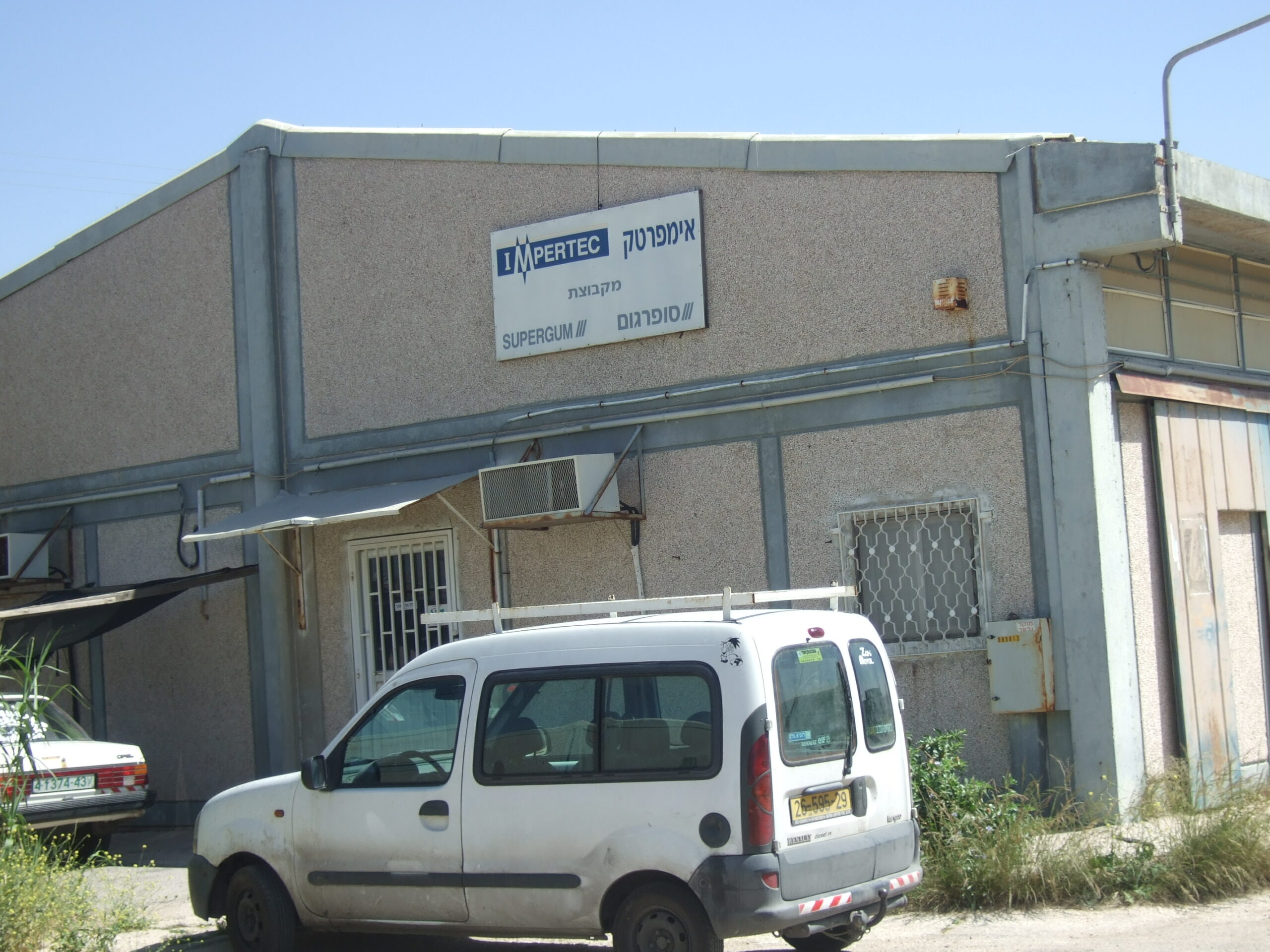
Impertec Supergum in Maale Efraim

Impertec/Supergum Industries - One of the companies in Ma’ale Efraim is Impertec ‘Supergum’.

Impertec is part of the ‘Supergum Group’. Impertec and Supergum are sister companies with the same owners.  Impertec manufactures gas masks, riot gear and rubber extrusions. Supergum manufacture rubber, plastic and sealing products. Both product ranges have military applications Continue reading

Some notes from Maale Efraim Industrial Zone

Corporate Watch visited the Ma’ale Efraim industrial zone during May 2010. Ma’ale Efraim is the only industrial zone in the Jordan Valley, situated on the road to Nablus. The industrial area is attached to the settlement of Ma’ale Efraim, an illegal settlement home to 1641 colonisers.

Ma’ale Efraim was established as a military  settlement in 1978 on land seized by military order. The settlement was civilianized in 1979 and further land was seized as ‘state’ land. To the West of the settlement is an IDF military base.

Ma’ale Efraim industrial zone is largely dormant, a holding exercise to monopolise the land. Many of the factory buildings are empty. However a few Palestinian workers were working in the warehouses.

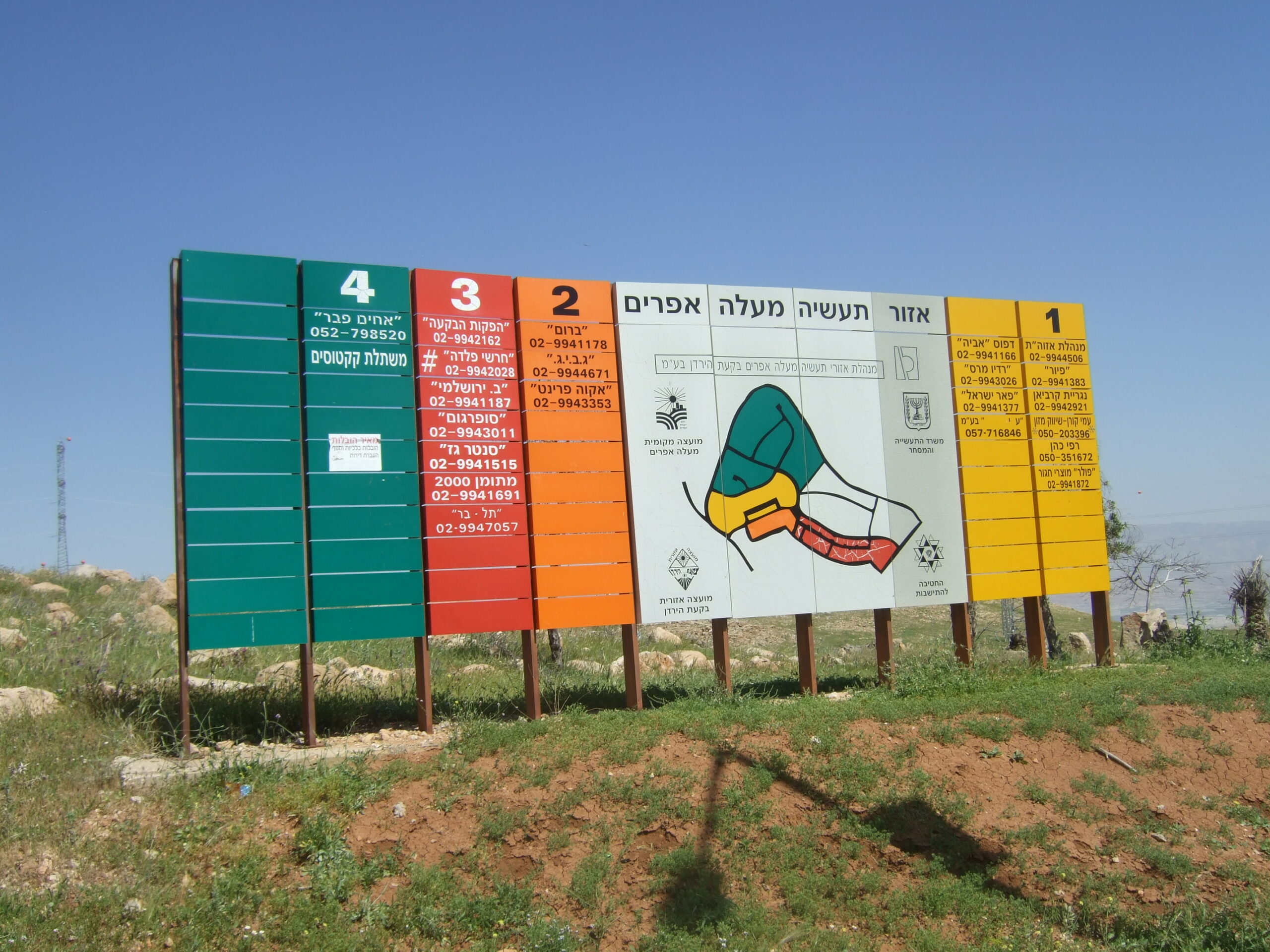
Sign at the entrance to Maale Efraim Industrial Zone

The above sign shows some of the businesses and type of business working in Maale Efraim:

“Maale Efrayim Industrial Zone,
1 -  Administration, Fior, Karabian Woodshop, Ami Koren – Food Marketing, Raphi Cohen, Fuller Strapping Products, Avia Printing, Radio Mars, Peer Israel
2 Brom, GBIG, Aqua Print
3 Jordan Valley Productions, Steel Mills, B. erushalmi, SuperGum, Center Gas, Metuman 2000, Tel Bar
4 Faber Bros, Cactus Plantation
also - Meir Moving, General and Crane Haulage, Apartment Removals, Moran Professional Cleaning Equipment” 

The logos displayed in the middle section read – “Maale Efrayim and Jordan Valley Industrial Area Administration, State of Israel, Ministry of Industry and Trade, Jewish Agency Settlement Department, Maale Efrayim Local Council, Jordan Valley Regional Council”

Impertec Supergum in Maale Efraim

Moran Professional Cleaning Equipment van in Maale Efraim settlement industrial zone

Bnei Yehuda industrial zone

BE Machinery in Bnei Yahuda industrial zone

The Bnei Yehuda industrial area is a business park connected to the Israeli Moshav settlement Bnei Yehuda in the occupied Golan. As is the case with all Israeli industrial zones, businesses operating in Bnei Yehuda enjoy preferential tax rates and other benefits and, in doing businesson occupied territory, ensure the profitability and sustainability of the settlement itself (see our previous report http://www.corporatewatch.org/?lid=3477 ). Whilst most of the businesses trading from Bnei Yehuda, such as the skin care company Avanova (http://www.avanova.co.il ) and Kosher caterers Buffalo, seem to cater for the settlers and wider Israeli market, Corporate Watch found one company with wider international connections. BE Machinery, one part of the larger Beth El Industries, specialise in machinery and processing plants for the food industry or, in their own words “complete automation and integrated IT solutions for the food, dairy, beverage, pharmaceutical and cosmetic industries.” Their mother company Beth El is a multi faceted business which, like so many other Israeli enterprises, make most of their business from the production of various military and “safety” equipment, including bomb shelters, filtration systems and vehicle components. According to The Israel Export and International Cooperation Institute’s web-site, where Beth El’s profile is located in the Aerospace and Homeland Security section, they are a supplier to many NATO forces throughout Europe, the Middle East and the far East. The UK is listed as both an importing and exporting partner of Beth El.

As is common amongst companies which trade in the settlements, BE Machinery are registered inside Israel, at the address if Beth El Industries: Food Processing Department, 1 Avshalom Road,
P.O. Box 166, Zikhron Yaaqov 30951, Israel
info@be-machinery.com http://www.be-machinery.com/

phone: 0097246601717 Fax: 0097246601919 Continue reading

Working for Shamir Salads in Barkan industrial zone

Factories in Barkan Industrial Zone

The Barkan industrial zone, part of the Ariel settlement block, was founded in 1982 and is the second largest industrial zone in the West Bank. As all industrial zones connected to settlements, businesses operating there receive generous tax reductions from the Israeli government. During the last few years Barkan has been making the BDS headlines through campaigns against companies such as Mul-T-Lock (Assa Abloy) and Beigel and Beigel. One company located in Barkan is the Israeli owned kosher food distributor Shamir Salads (51% owned by Willi-Food) who, according to their web-site, export their produce to Russia, the UK, Holland, Denmark, France, Ukraine, Canada and the US. Specialising in ready made salads and various houmous and aubergine dips, they also service “several food distribution routes for the Israeli Defence Forces”. Shamir Salads have been exposed as deliberately mislabelling their settlement produce, with the latest evidence being produced by Gush Shalom, an Israeli group calling for a boycott of Israel’s settlements, in March, when they found Shamir Salads products in the Netherlands labelled as Israeli despite being made in their Barkan facility (see http://zope.gush-shalom.org/home/en/channels/press_releases/1269703726/ ).

Continue reading

Readymix in Katzerin Industrial Zone

Readymix in Katzerin

Readymix in Katzerin

Above are pictures of the Readymix (www.readymix.co.il) site in Katzerin Industrial zone. Katzerin is an illegal settlement in the Israeli occupied Golan Heights. Readymix is a supplier of raw materials for the construction industry. The company also has plants in the West Bank in Mevo Khoron, Atarot industrial zone and Mishor Edomim industrial zone.

Readymix supplies construction materials for the Gilo ‘Security Wall’ and several military checkpoints in the West Bank as well as being a partner in Yatir quarry, where Palestinian land is exploited by the Israeli settlement of Teneh Omarim.

Readymix is owned by Cemex (www.cemex.com), a Mexican owned multinational company engaged, primarily, in manufacturing cement and other construction products.  Cemex operates on a large scale in the UK – there site locations can be found here: http://www.cemexlocations.co.uk/

For more info on Readymix see www.whoprofits.org/Company%20Info.php?id=645